
Confidence transforms everything. Walk into a room standing tall, approach challenges with certainty, tackle goals that once felt impossible and discover strength you never knew existed. Yet so many people underestimate the power of strength training as a confidence builder. They view the gym as a place to chase vanity or endurance, missing something far more profound. Fitness First teaches a different philosophy strength training builds not just muscles, but unshakeable inner confidence that radiates into every corner of your life.
The mechanism is simple yet profound. When you consistently challenge your body and prove you can overcome those challenges, your brain registers undeniable evidence of your capability. You didn’t imagine lifting that weight, you did it. You didn’t hope you could complete those repetitions, you persisted and succeeded. These accumulated wins rewire your nervous system to expect success rather than fear failure. This is confidence at its deepest level, earned through tangible achievement rather than borrowed from external validation. The evidence sits within your muscles and nervous system, undeniable and permanent.
The Progressive Overload Principle Small Wins Compound Into Transformation
Progressive overload sounds technical, but it’s simply the art of gradually increasing demand on your muscles. Week one you lift ten kilogrammes. Week two, twelve. Week three, fifteen. Each modest increase teaches your body it’s capable of more. Your nervous system adapts, your muscles strengthen, your confidence crystallises. Fitness First programmes utilise this principle systematically, ensuring you experience regular success rather than stagnation or impossible plateaus.
The beauty of progressive training lies in its inevitability. If you follow the programme, you will progress. Failure isn’t possible, only the next increment waiting ahead. This creates a psychological shift where you stop questioning whether you’re strong enough and start trusting the process. You show up, you execute and the result follows naturally. This mindset transfers beyond the gym into careers, relationships and personal challenges. If you can build strength progressively, you can build anything progressively. The confidence isn’t abstract, it’s earned through hundreds of small victories stacked methodically over weeks and months.
From Weakness to Strength A Personal Transformation Narrative

Many members begin their training journeys from positions of vulnerability. Perhaps they’ve spent years sedentary, watching their bodies weaken, feeling increasingly powerless. Others return after injury, terrified of reinjuring themselves, uncertain whether their bodies still work. The gym becomes a place of fear rather than possibility. Yet Fitness First transforms these narratives. Through patience, expert instruction and carefully calibrated progression, weakness gradually yields to capability. What begins as trepidation transforms into quiet confidence. The body remembers its power.
The transformation extends deeper than physical changes. Members consistently report unexpected mental shifts improved sleep, better stress management, enhanced self-perception, restored hope about their bodies’ futures. These psychological transformations ripple outward, affecting work performance, relationship quality and life satisfaction. Strength training doesn’t just build muscle, it rebuilds entire identities around capability rather than limitation. People begin making different choices, standing taller, speaking more assertively, pursuing opportunities they previously dismissed as beyond their capacity.
The Psychological Edge How Strength Transfers to Life
Research consistently demonstrates that strength training improves anxiety, depression and overall mental health markers as powerfully as many medications. The mechanism isn’t mysterious. When your body feels strong, your mind perceives your capacity differently. Threats seem manageable, challenges seem surmountable, futures seem open rather than constrained. Fitness First members describe a powerful psychological shift that accompanies physical progress.
- Improved self-efficacy Accomplishing gym goals translates into belief you can accomplish other goals.
- Reduced anxiety Physical strength correlates with emotional resilience and stress tolerance.
- Enhanced body image Visible progress builds appreciation for what your body can do, not just how it looks.
- Increased discipline Following training protocols builds discipline that extends to nutrition, sleep and other life areas.
- Community connection Training alongside others pursuing similar goals creates belonging and mutual accountability.
Beyond Aesthetics Strength as a Lifestyle Philosophy
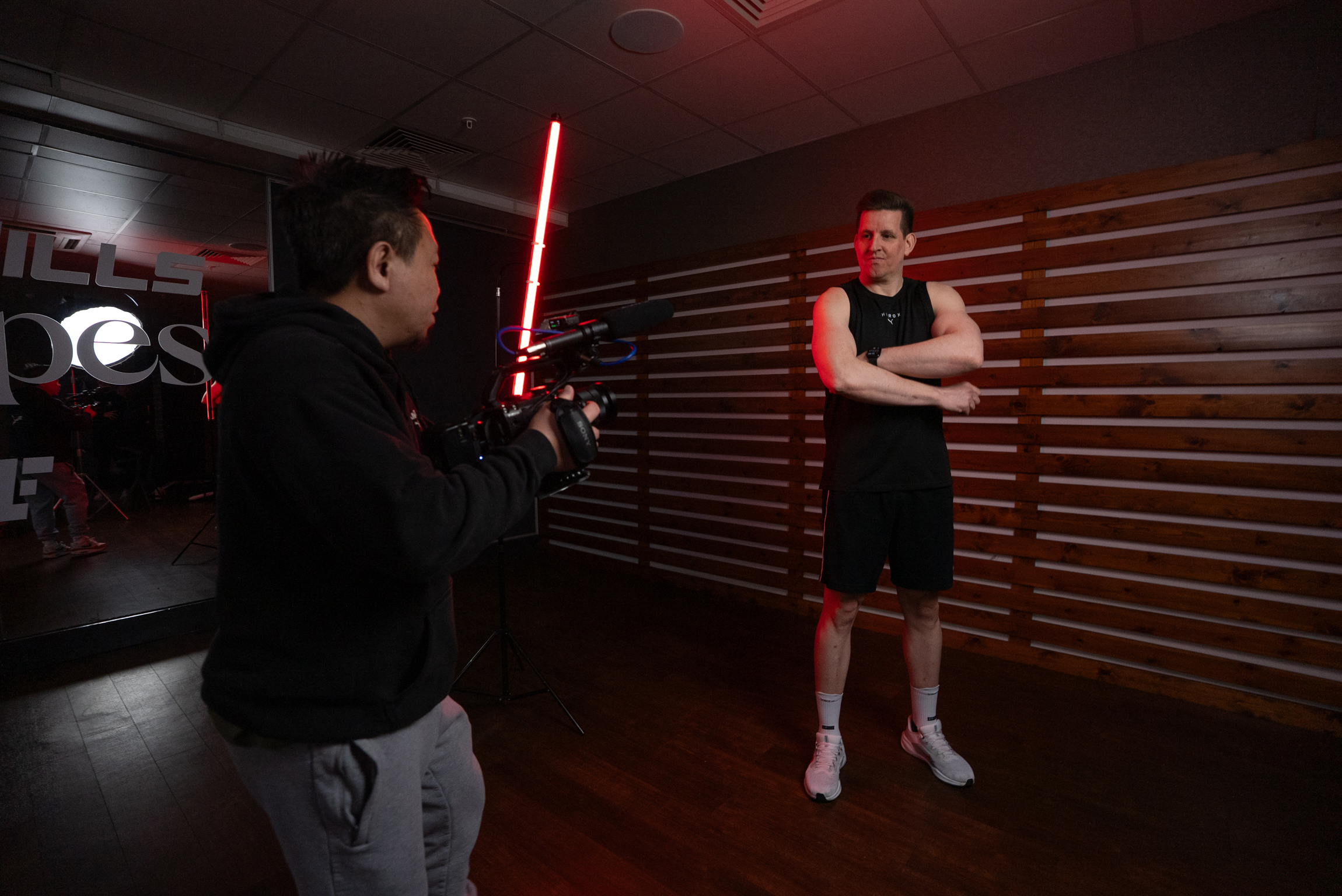
Modern culture often frames fitness through purely aesthetic lenses. Build this appearance. Achieve this look. Yet strength training offers something deeper a philosophy of continuous improvement, evidence-based progression and earned rather than imagined capability. Fitness First members adopt this philosophy, discovering that real satisfaction emerges not from external judgement but from internal certainty that they are genuinely capable, genuinely strong, genuinely worthy of the bodies they’ve built.
This shift from external validation to internal certainty proves life-changing. Clothes fitting differently matters less than feeling powerful in your own skin. Compliments from others matter less than your own undeniable awareness of strength. This internal confidence becomes unshakeable because it’s built on tangible evidence you’ve created yourself, repetition by repetition, week by week. That’s the real transformation fitness offers.