
Working out alone at six in the morning requires monumental willpower. The bed is warm, your body is tired, your mind whispers compelling reasons to skip just this once. Nobody would know. Nobody would judge. Yet somehow, when you’ve committed to showing up at a class, when twenty other people expect you, when an instructor has planned the session around your presence, everything changes. The bed’s warmth matters less than disappointing your classmates. Fitness First understands this psychological reality better than most gyms group fitness isn’t just fun, it’s fundamentally more effective at driving consistency, the hidden foundation of all fitness results.
The science is clear. People who exercise in groups attend more consistently, persist through harder workouts and maintain programmes for years rather than months. This isn’t motivational poster psychology, it’s measurable reality reflected in retention data, adherence studies and member transformations. The accountability that emerges from group participation proves more powerful than any personal trainer’s exhortations or self-help audio. Your peers are counting on you. That matters on the cellular level.
The Energy Multiplier Effect How Groups Elevate Individual Performance
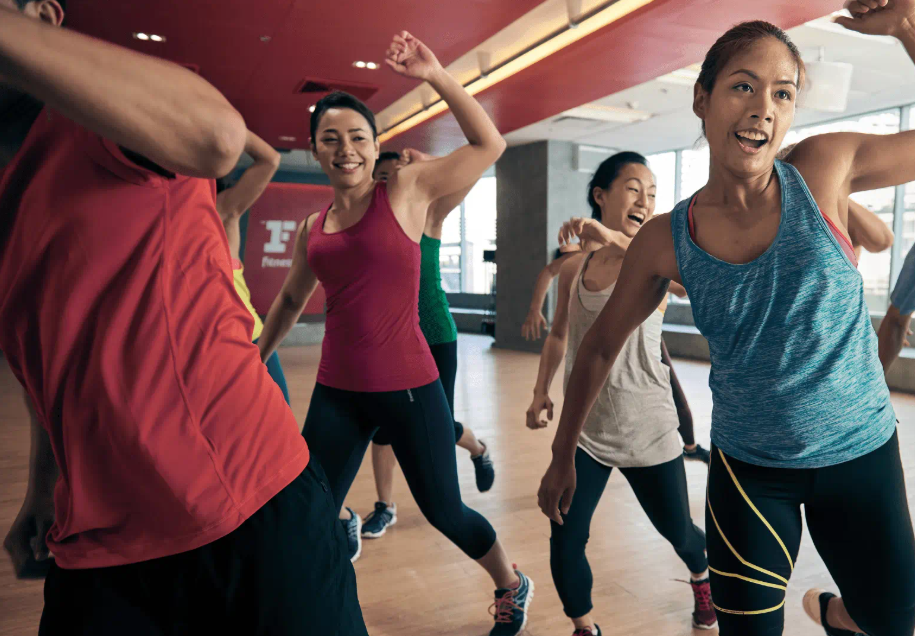
During a solo workout, you control the intensity, the pace, the difficulty. This sounds ideal until you realise it also means you control how much you’ll truly push yourself. When tired, you can choose the easier variation. When motivation wanes, you can cut the session short. The responsibility lies entirely with you and your fatigued brain is remarkably creative at finding reasonable-sounding excuses. Fitness First classes eliminate this trap by embedding intensity in the structure itself. The instructor sets the pace. The music propels you forward. Your neighbour’s effort becomes your standard.
This group dynamic creates what researchers call the social facilitation effect performance improves in the presence of others, particularly on well-learned tasks. Your body knows how to exercise, the presence of others simply elevates your effort. You push slightly harder, extend slightly further, persist slightly longer. Across dozens of sessions, these small incremental improvements compound into dramatic transformations. The group didn’t just make the journey more enjoyable, it made the results measurably better.
Building Genuine Friendships Through Shared Challenge
A curious phenomenon occurs when people exercise together regularly. They begin to care about each other. The woman next to you in yoga class who struggles with her balance becomes someone you quietly root for. The man in conditioning who pushes everyone hard becomes someone whose effort inspires you. Relationships form in the trenches of shared difficulty. Fitness First class communities frequently extend beyond the gym, members exchange numbers, meet for coffee, celebrate personal victories together.
These friendships differ fundamentally from typical social relationships because they’re built on vulnerability and mutual respect rather than small talk. You see each other at your most tired, most challenged, least guarded. These conditions somehow create authentic connections that surface-level socialising rarely produces. Members consistently report that the friendships become a primary reason they continue attending, even more significant than the fitness benefits themselves.
Variety as Progress Why Diverse Classes Accelerate Results

The human body adapts remarkably quickly to repeated stimuli. The same workout stimulus eventually yields diminishing returns as your neuromuscular system becomes too efficient. This is why elite athletes periodise their training, systematically varying intensity, duration, movement patterns and recovery. Fitness First offers this sophistication through diverse class options yoga, reformer, conditioning, high-intensity interval training, dance-based cardio, each providing distinct physiological stressors.
- Yoga develops flexibility, core stability and parasympathetic activation for stress recovery.
- Reformer training builds lean muscle through controlled resistance and isometric holds.
- Conditioning classes improve cardiovascular capacity through varied intensity intervals.
- High-intensity sessions build anaerobic power and metabolic adaptation for fat loss.
- Dance classes combine cardio stimulus with coordination challenges and sheer enjoyment.
The Instructor Effect Expert Guidance Embedded in Group Settings
Quality instructors transform group fitness from chaotic movement into purposeful training. They cue proper form, offer modifications for different fitness levels, adjust intensity based on class energy and create culture through their enthusiasm and authenticity. The best instructors remember names, notice progress and celebrate victories. Their presence elevates the entire experience beyond what music and group energy alone could create. Fitness First invests significantly in instructor training and development, recognising that instructor quality directly determines class impact.
This combination, expert instruction embedded within group energy, produces results superior to either element alone. Solo training with an expert provides knowledge without community. Group training with a mediocre instructor provides energy without guidance. Superior results emerge from combining both expert instruction delivered to an engaged group where members elevate each other through shared effort and mutual support.
Overcoming Gym Intimidation Through Community

Many potential gym members stay home because they fear judgement, feel out of place or worry their fitness level doesn’t match the environment. Group classes paradoxically solve this problem because the shared focus on the instructor and the workout reduces social pressure. Nobody’s watching you, everyone’s watching their form and the instructor’s cues. Beginners and experienced participants exist side by side, each pushing themselves appropriately. This diversity normalises varied fitness levels rather than creating hierarchies.
Classes transform gym intimidation into belonging. You’re not the only one struggling, everyone’s struggling in their own way. You’re not the only one sweating and breathing hard, that’s the entire point. The shared challenge creates unspoken permission to be imperfect, to be in process, to be becoming rather than being complete. This psychological safety, crucial for sustainable behaviour change, emerges naturally from group dynamics.
The path to lasting fitness transformation rarely lies through solitary discipline and willpower. It lies through community, accountability, expert instruction and the magical alchemy that occurs when people gather with shared intention to challenge themselves together. That’s where real transformation happens.