
In today’s fast-moving world, people are no longer interested in products that only serve a basic function. They want brands, spaces, and experiences that reflect personality, emotion, and lifestyle. Mood represents this modern way of thinking by focusing on how design, comfort, and creativity can influence the way people feel every day. Whether connected to home décor, fashion, beauty, wellness, or lifestyle essentials, Mood is a concept that speaks to individuality and emotional connection.
The word “mood” itself suggests atmosphere, feeling, and expression. It is closely tied to how people experience the world around them. A room can have a calm mood, an outfit can create a confident mood, and a product can bring joy, comfort, or inspiration. This makes Mood a powerful brand idea for customers who want more than ordinary products—they want choices that match who they are and how they want to live.
A Brand Built Around Emotion
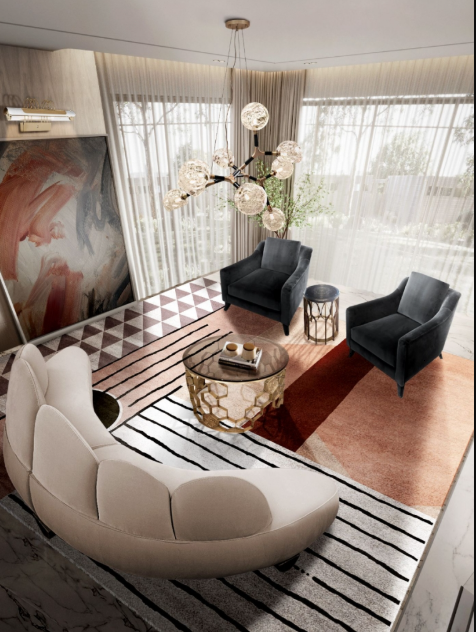
Mood is more than a name; it is a lifestyle concept. Modern consumers often choose products based on how those products make them feel. They want their homes to feel peaceful, their wardrobes to feel stylish, and their everyday routines to feel easier and more enjoyable.
Mood can connect with this desire by offering products or experiences that support different emotional needs. Some customers may want softness and relaxation, while others may want energy, creativity, elegance, or confidence. This flexibility gives Mood a strong identity because it can appeal to many different personalities and lifestyles.
Style That Reflects Personality

One of the strongest qualities of Mood is its connection to personal expression. People use design, fashion, beauty, and lifestyle products to show their identity. The colors they choose, the textures they enjoy, and the items they surround themselves with all say something about who they are.
Mood can inspire customers to create looks, spaces, and routines that feel personal and meaningful. Instead of promoting one fixed style, the brand can celebrate variety. Minimalist, bold, cozy, elegant, playful, or modern—each mood can become part of the customer’s story.
This makes the brand especially relevant in a time when individuality is highly valued.
Creating Atmosphere in Everyday Life
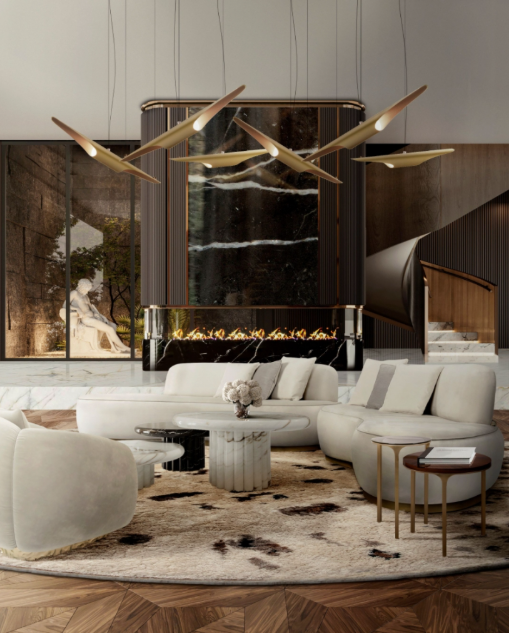
Atmosphere has a major impact on well-being. A well-designed space can help people relax after a long day, focus while working, or feel comfortable with family and friends. Mood can represent products that help shape these everyday environments.
For home-focused customers, Mood may be associated with décor, lighting, furniture, textiles, and accessories. These elements can transform a plain room into a warm and inviting space. A soft blanket, a stylish lamp, a scented candle, or a beautifully designed chair can all help create the right atmosphere.
The goal is not just to decorate a space but to create a feeling.
Functionality with a Modern Touch
While style is important, modern customers also expect practicality. Mood can stand out by offering products that are not only attractive but also useful in daily life. Good design should make life easier, more comfortable, and more enjoyable.
This could include smart storage solutions, comfortable furniture, versatile clothing, beauty essentials, or lifestyle accessories that fit naturally into modern routines. When products combine style and function, customers feel they are making a smart and satisfying choice.
Mood’s appeal lies in this balance between emotional design and everyday usefulness.
Comfort as a Lifestyle Value
Comfort has become one of the most important values in modern living. People want homes that feel peaceful, clothes that feel good, and routines that reduce stress. Mood can align strongly with this desire by focusing on products that support ease and relaxation.
Comfort does not mean sacrificing style. In fact, many customers now look for products that feel luxurious while remaining practical. Mood can represent soft textures, calming colors, thoughtful details, and designs that make daily life more enjoyable.
By placing comfort at the center of its identity, Mood can connect with customers who prioritize well-being and self-care.
A Strong Fit for Digital-Age Consumers
In the digital age, visual identity matters more than ever. Social media has made people more aware of aesthetics, lifestyle branding, and personal presentation. Customers often look for products that feel beautiful, shareable, and emotionally engaging.
Mood fits well into this environment because it naturally connects with visual storytelling. A brand built around mood can use imagery, color, design, and emotion to create a strong online presence.
Customers are drawn to brands that feel inspiring and relatable. Mood has the potential to become part of how people express their taste online and offline.
Quality and Trust
For any lifestyle brand, quality is essential. Customers may be attracted by design, but they return because of satisfaction and reliability. Mood can build long-term trust by focusing on durable materials, thoughtful craftsmanship, and consistent customer experience.
Quality also supports emotional value. When a product feels well-made, customers feel confident in their purchase. This sense of confidence strengthens the relationship between the brand and the customer.
A strong Mood brand should therefore focus not only on appearance but also on lasting value.
Why Mood Appeals to Modern Customers
Mood has broad appeal because it reflects several important consumer priorities:
- Personal expression
- Emotional connection
- Stylish design
- Comfort and well-being
- Practical functionality
- Modern living
- Creative inspiration
- Quality and trust
These qualities make Mood a versatile concept that can work across multiple industries. Whether used for home products, fashion, wellness, or lifestyle goods, the brand can speak to people who want their purchases to feel meaningful.
The Future of Mood
As consumers continue to seek products that support individuality, comfort, and emotional well-being, Mood has strong potential for growth. The future of lifestyle branding will likely focus even more on personalization, sustainability, and experience.
Mood can evolve by offering curated collections, seasonal themes, personalized recommendations, and products designed around specific feelings or lifestyles. For example, collections could focus on calm, energy, creativity, elegance, or relaxation.
This emotional approach can help customers easily connect with products that match their current needs and preferences.
Conclusion
Mood is a powerful lifestyle concept built around feeling, style, and personal expression. It represents the idea that products should do more than function—they should improve the way people experience their daily lives.
By combining thoughtful design, comfort, quality, and emotional connection, Mood can inspire customers to create spaces, routines, and styles that reflect who they are. In a world where people increasingly seek meaning in what they buy, Mood stands out as a brand idea that celebrates individuality, atmosphere, and modern living.