
In a world where consumers increasingly seek products that reflect their personality and values, lifestyle brands have become more influential than ever. People are no longer purchasing items solely for their practical function; they are investing in experiences, aesthetics, and products that enhance their daily lives. Mood is a concept that perfectly captures this shift, representing a modern approach to living that combines style, comfort, creativity, and individuality.
The name “Mood” carries a powerful meaning. It suggests emotion, atmosphere, personality, and self-expression. Whether applied to home décor, fashion, beauty, wellness, or lifestyle products, Mood represents the idea that the things people surround themselves with can significantly influence how they feel. By focusing on design, comfort, and personal identity, Mood has the potential to resonate with a wide audience seeking inspiration and authenticity in everyday life.
The Power of Mood in Everyday Living

Mood is something everyone experiences. It influences decisions, behavior, creativity, and overall well-being. The environments people create around themselves can have a direct impact on their mood, which is why design and lifestyle choices have become increasingly important.
A beautifully designed living room can create feelings of calm and relaxation. A stylish outfit can boost confidence. A thoughtfully chosen accessory can bring joy and personality to everyday routines. Mood embraces this connection between products and emotions, helping customers create experiences that align with how they want to feel.
Rather than focusing solely on functionality, Mood celebrates the emotional value of design and self-expression.
A Modern Approach to Lifestyle Design
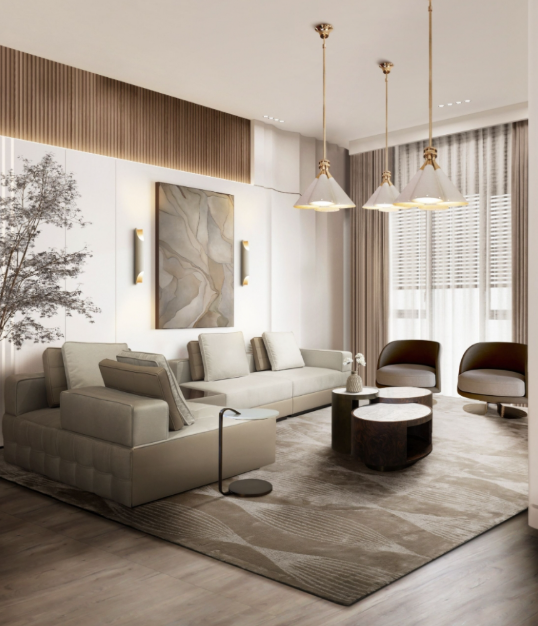
Today’s consumers want products that fit seamlessly into their lives while also reflecting their personal tastes. Mood represents a modern lifestyle approach that prioritizes both aesthetics and practicality.
Whether through home accessories, furniture, fashion collections, beauty products, or lifestyle essentials, Mood can inspire customers to create spaces and routines that feel authentic and meaningful.
Key elements of this approach include:
- Contemporary design
- Functional products
- Comfortable living
- Personal expression
- Emotional connection
- High-quality materials
This balance between style and usability helps Mood appeal to a broad and diverse audience.
Creating Beautiful Living Spaces

For many people, home is more than just a place to live—it is a reflection of personality and a source of comfort. Mood can play an important role in helping individuals create living environments that support relaxation, creativity, and well-being.
Products associated with Mood may include:
- Decorative accessories
- Furniture
- Lighting
- Textiles
- Storage solutions
- Home fragrances
- Seasonal décor
Each element contributes to the atmosphere of a space, helping customers create environments that match their personal preferences.
Whether someone prefers minimalist elegance, cozy comfort, or bold contemporary design, Mood can provide inspiration for creating a home that feels uniquely their own.
Personal Style and Self-Expression
Fashion and personal style are powerful forms of self-expression. The clothes people wear, the accessories they choose, and the products they use all communicate aspects of their personality.
Mood embraces individuality by encouraging customers to express themselves through their choices. Rather than promoting a single trend or aesthetic, the brand concept allows for diverse interpretations of style.
Customers may gravitate toward:
- Modern minimalism
- Casual comfort
- Elegant sophistication
- Creative expression
- Contemporary trends
This flexibility makes Mood accessible to people with different tastes and lifestyles.
Comfort as a Core Value
Comfort has become a defining feature of modern living. As lifestyles evolve and people spend more time working, relaxing, and socializing at home, comfort has become increasingly important.
Mood places a strong emphasis on products that enhance daily comfort without sacrificing style. Comfortable environments contribute to physical well-being, mental relaxation, and overall life satisfaction.
Examples of comfort-focused products may include:
- Soft furnishings
- Ergonomic furniture
- Relaxation accessories
- Wellness-inspired products
- Cozy textiles
By combining comfort with contemporary design, Mood helps customers create spaces that support both functionality and well-being.
Quality and Thoughtful Design
Quality remains one of the most important factors in building customer trust and satisfaction. Consumers increasingly seek products that offer durability, reliability, and long-term value.
Mood can strengthen its appeal by focusing on:
- Premium materials
- Thoughtful craftsmanship
- Attention to detail
- Durable construction
- Timeless design principles
Investing in quality products often leads to greater customer satisfaction and more sustainable purchasing habits.
When customers feel confident in the quality of a product, they are more likely to develop lasting loyalty to the brand.
Inspiring Creativity and Individuality
Creativity is a fundamental aspect of personal expression. Mood encourages individuals to experiment with design, style, and self-expression in ways that feel authentic to them.
This creative freedom may involve:
- Mixing design styles
- Exploring new color palettes
- Personalizing living spaces
- Curating unique wardrobes
- Creating meaningful routines
Rather than prescribing a specific lifestyle, Mood inspires customers to define their own version of modern living.
This emphasis on individuality aligns with contemporary consumer values, where authenticity and personal identity are increasingly important.
Building Emotional Connections
One of the strongest aspects of the Mood concept is its ability to create emotional connections. Customers often remember how a product makes them feel more than its technical specifications.
Mood can foster positive emotional experiences by helping customers:
- Feel more comfortable
- Express their personality
- Create welcoming environments
- Enhance daily routines
- Improve overall well-being
These emotional benefits contribute to stronger customer relationships and increased brand loyalty.
A product that improves someone’s mood can become far more meaningful than a simple purchase.
Why Mood Appeals to Modern Consumers
Several factors make Mood particularly relevant in today’s marketplace:
Personal Expression
Customers can use products to communicate their identity and preferences.
Emotional Value
Products are chosen not only for function but also for how they make people feel.
Modern Design
Contemporary aesthetics align with current lifestyle trends.
Comfort and Wellness
The focus on comfort supports healthier and more enjoyable living.
Versatility
Mood can adapt to a variety of product categories and customer lifestyles.
Looking Toward the Future
As consumer priorities continue to evolve, demand for products that combine functionality, aesthetics, and emotional value is likely to grow. People increasingly seek brands that understand their lifestyles and support their well-being.
Mood is well-positioned to thrive in this environment by continuing to focus on creativity, quality, comfort, and personal expression.
Future opportunities may include expanded product collections, personalized experiences, sustainable initiatives, and innovative ways to help customers create meaningful living environments.
Conclusion
Mood represents more than a brand—it represents a philosophy of living that values style, comfort, creativity, and individuality. By helping customers create environments and experiences that reflect their personalities, Mood supports a more intentional and expressive way of life.